
by Tatiana Resende | Sep 30, 2026 | Business, COO
Most operational content covers problems someone already solved. This month, COO Alliance members named the operational bottleneck slowing them down right now and what they had already tried without success. Bottlenecks Rarely Look Like Bottlenecks One COO described a... 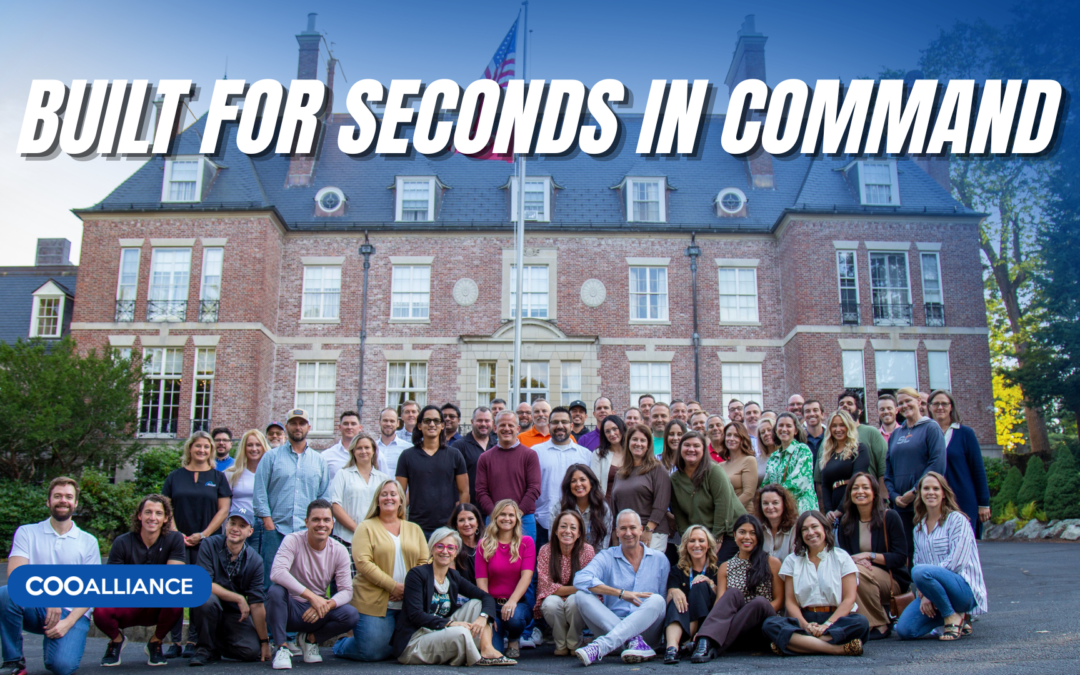
by Tatiana Resende | Sep 16, 2026 | 2nd in Command, COO
Next week, a small group of second in command executives will spend two and a half days at MIT’s Endicott House outside Boston. No CEOs in the room. No inbox pulling at their attention. Just the people actually running the operations of their companies, sitting... 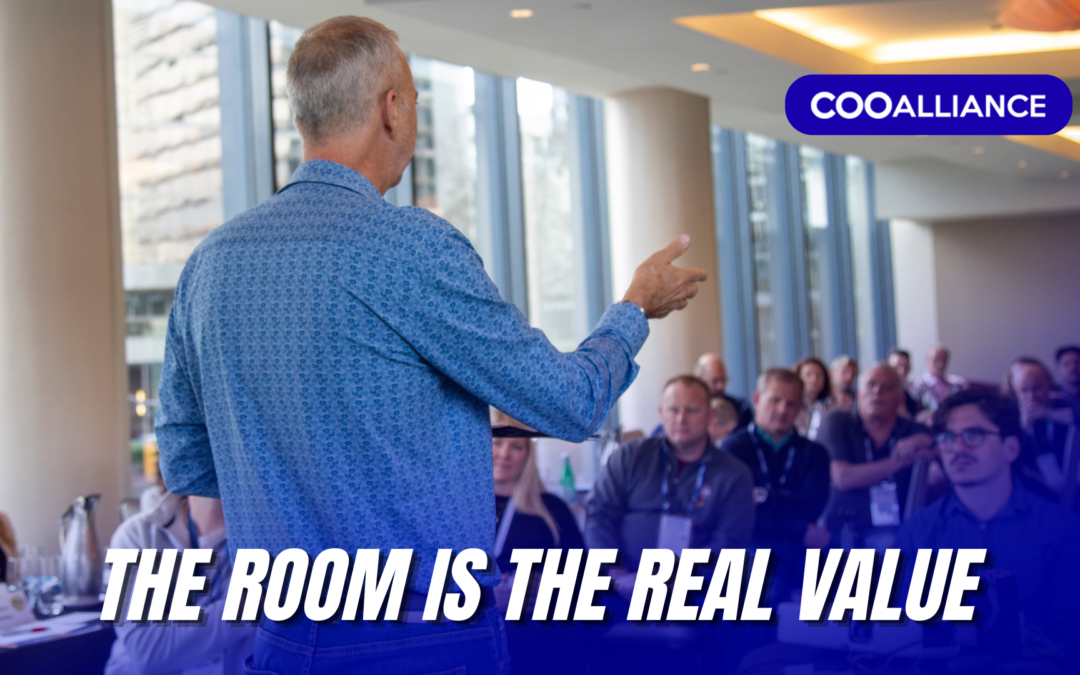
by Tatiana Resende | Sep 8, 2026 | 2nd in Command, Business, COO
The best insight a COO gets this year rarely comes from a course or a book. It comes from a conversation with someone who already solved the exact problem sitting on your desk right now. Why The Room Beats The Slides Cameron Herold has invested more than a million... 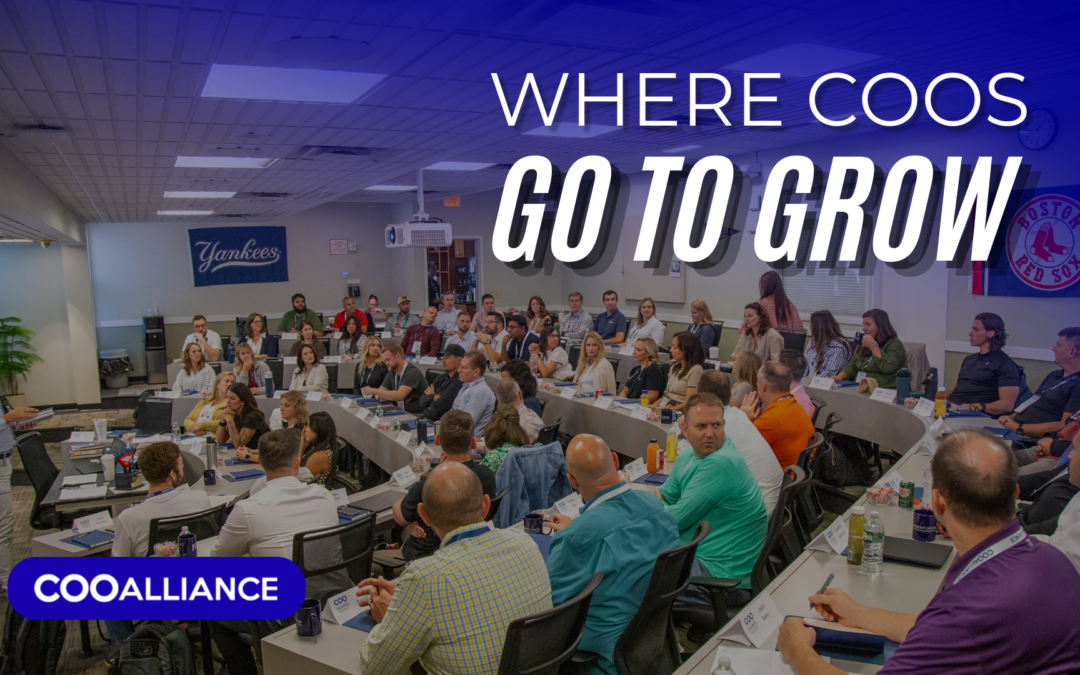
by Tatiana Resende | Aug 18, 2026 | 2nd in Command, COO
This October, COO Connect Barcelona brings the first European COO Alliance Summit to life, capped at just 14 seats, for 3.5 days built around one goal: putting world-class operators in the same room to learn and grow together. This event was never built for passive... 
by Tatiana Resende | Aug 4, 2026 | COO, Performance
Almost every COO carries a quiet doubt they rarely say out loud. They show up, run the operation, and privately wonder if they actually know what they’re doing. That doubt has a name, and it shows up far more often than most leaders admit. The Lunch... 
by Tatiana Resende | Jul 15, 2026 | COO, Team Building
Every month inside COO Alliance, members share one lesson that made them a more effective operator. One recent discussion turned up something worth paying attention to. Every company involved was different, but the most experienced COOs kept describing the same...