by Tatiana Resende | Sep 16, 2026 | 2nd in Command, COO
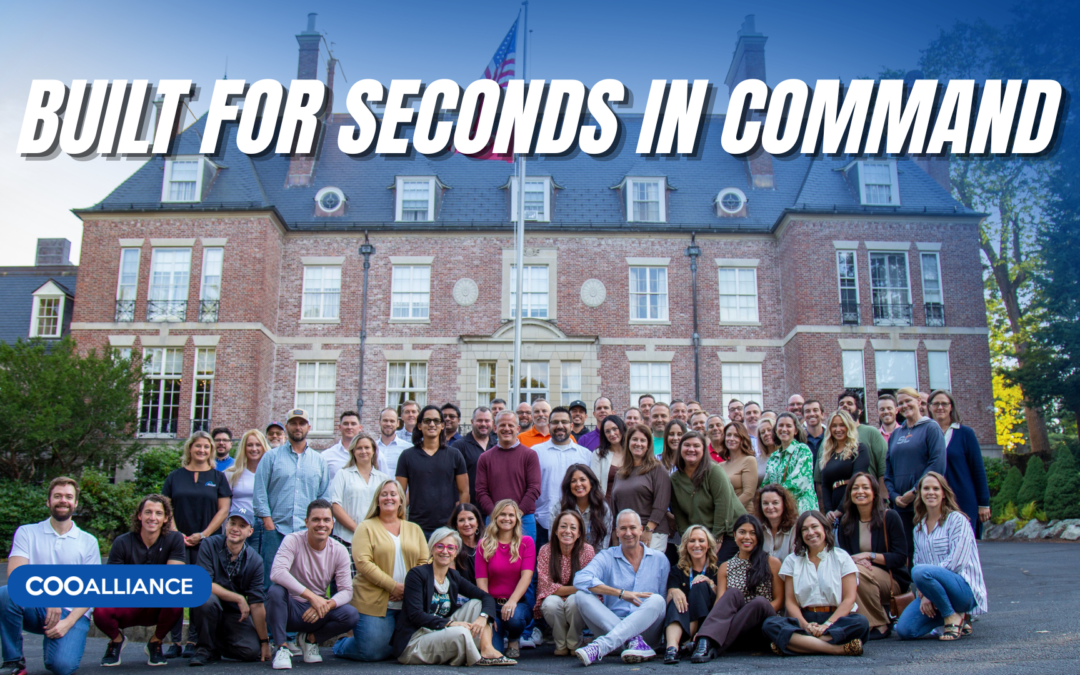
Next week, a small group of second in command executives will spend two and a half days at MIT’s Endicott House outside Boston. No CEOs in the room. No inbox pulling at their attention. Just the people actually running the operations of their companies, sitting... 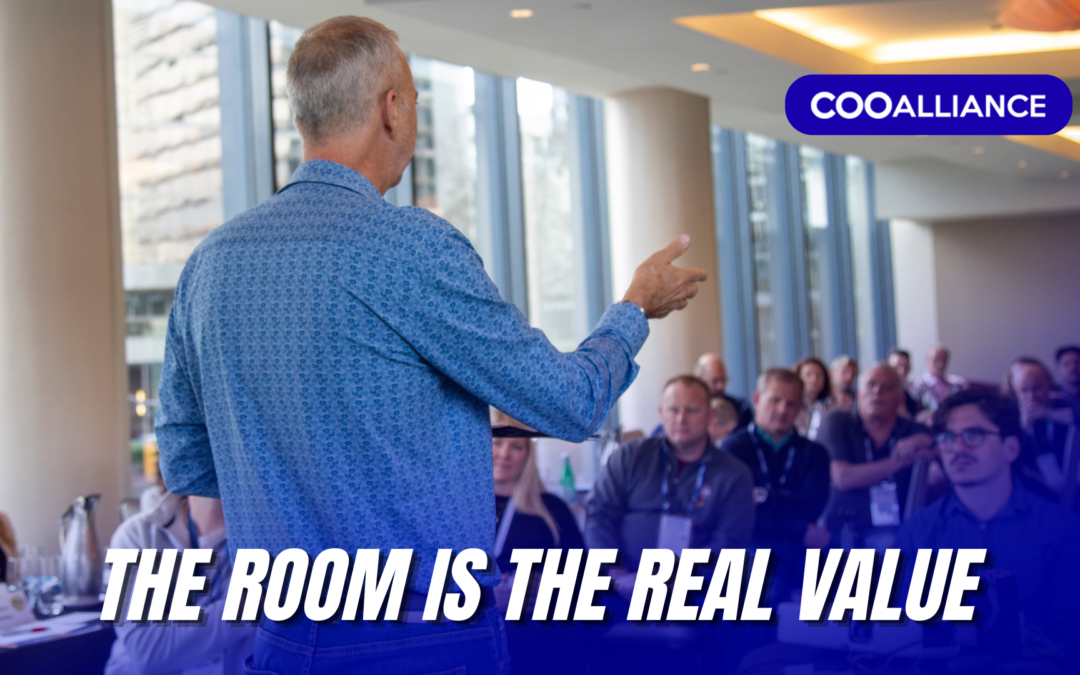
by Tatiana Resende | Sep 8, 2026 | 2nd in Command, Business, COO
The best insight a COO gets this year rarely comes from a course or a book. It comes from a conversation with someone who already solved the exact problem sitting on your desk right now. Why The Room Beats The Slides Cameron Herold has invested more than a million... 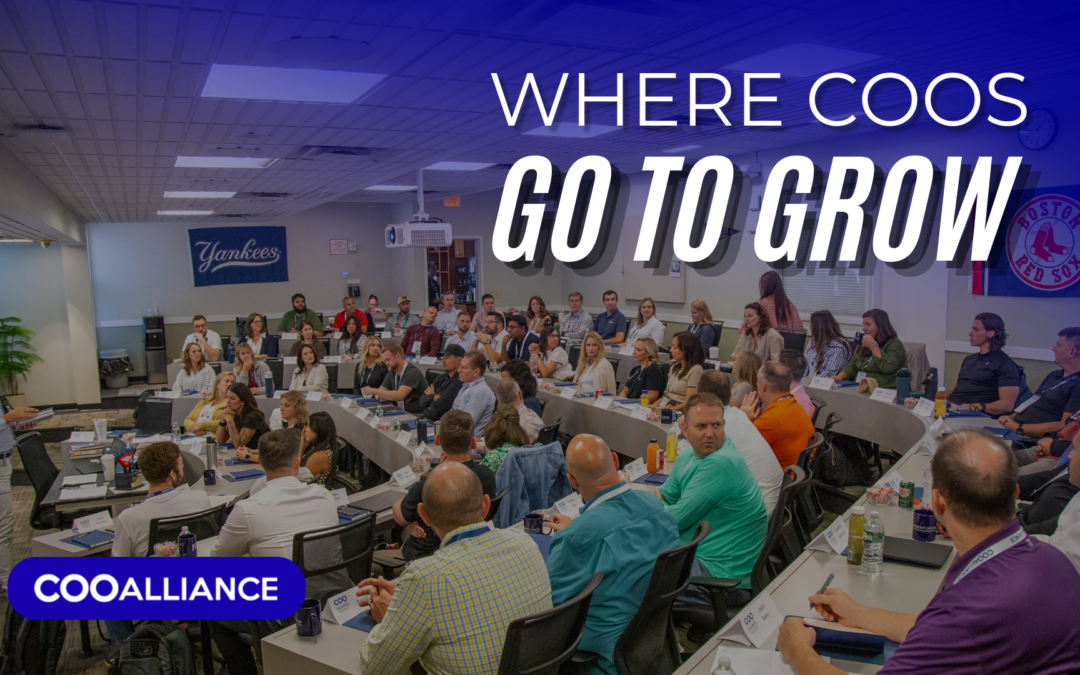
by Tatiana Resende | Aug 18, 2026 | 2nd in Command, COO
This October, COO Connect Barcelona brings the first European COO Alliance Summit to life, capped at just 14 seats, for 3.5 days built around one goal: putting world-class operators in the same room to learn and grow together. This event was never built for passive... 
by Tatiana Resende | Aug 12, 2026 | 2nd in Command, Productivity
Every COO wants to be known as the person who gets things done. So the instinct to say yes arrives before the request even finishes. That instinct is exactly what quietly breaks execution once a company starts to scale. The Real Price of Every Commitment Saying yes... 
by Tatiana Resende | Aug 7, 2026 | 2nd in Command, Business
Most COOs can list their top priorities without pausing to think. Their calendar tells a different story, and that story rarely matches the words. The Gap Between Intention and Time A packed schedule feels productive, so it earns a quiet kind of trust it has not... 
by Tatiana Resende | Jun 22, 2026 | 2nd in Command, COO
Most people assume the CEO is the most important person in a growing company. The reality is more nuanced. As organizations scale, success depends less on vision and more on execution. A great strategy can create momentum, but only consistent execution can sustain it....